
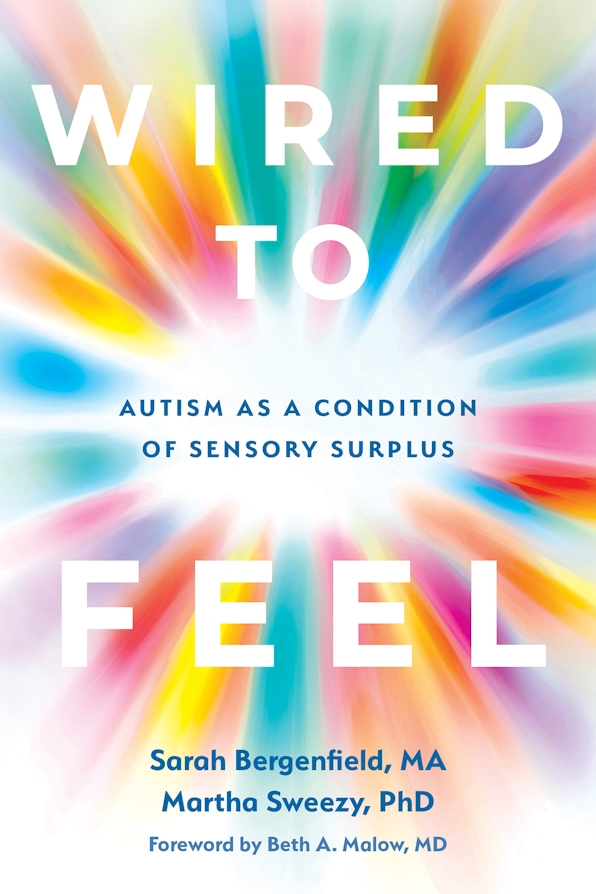
Autism as a Condition of Sensory Surplus
A neuroscience-informed guide to understanding your autistic brain, body and mind.
Autism is not simply a difference in thinking — it is an embodied experience shaped by heightened sensory awareness, nervous system sensitivity, and perceptual intensity. For many autistic adults, this can lead to sensory overwhelm, shutdowns, difficulty with social expectations, and challenges navigating a world designed for neurotypical minds.
In this groundbraking guide, autistic psychologist Sarah Bergenfield offers a new way of understanting autism as a condition of sensory surplus, supported by both personal insight and emerging scientific research. Psychotherapist Martha Sweezy joins Bergenfield in adapting internal family systems (IFS) therapy alongside principles from neuroscience and polyvagal theory to help autistic readers better understand their internal experiences and nervous system response.
With this neuroarffirming guide, you’ll learn how to:
- Understand autism as an embodied sensory experience rooted in the brain, body and nervous system
- Recognize patterns of sensory overwhelm, shutdown, and emotional dysregulation
- Use adapted IFS tools to build inner understanding and compassion
- Apply insights from neuroscience and polyvagal theory to regulate stress and sensory overlaod
- Advocate for your needs in relationships, work and daily life
- Cultivate lasting self-acceptance as an autistic person
Through compassionate guidance and evidence-informed tools, this book helps you make sense of sensory disorganization, social expectations, and internal conflict — so you can navigate the world with greater confidence and self-trust.
Rather than viewing autism as a deficit, this empowering guide reframes it as perceptual diversity, helping you move beyond stigma, shame and marginalization toward a life of authenticity, resilience and flourishing.
Excerpts From IFS Health Therapy: Treating Trauma-Related Physical Illness & Toxic Stress
What We Listen for and Talk About in IFS Health Therapy
In addition to listening for shame and blame, as well as stressful experiences that can have a negative effect on parts and the body, we also listen for a legacy of family trauma or chaos. A history of dysregulated family, cultural, and social systems can cause ongoing autonomic dysregulation. Protectors work hard to handle or combat the dysregulation in their environment—and the more pain these external systems inflict, the more they look outward for help and solutions. While this makes sense, instability in the client’s own internal system is the driving force behind their distress. Internal processes are the engine of despair and need to be addressed first. Despair arises from, on one hand, disconnection from the Self, and on the other hand, from past frightening, shaming, or physically painful experiences that live on inside and are easily evoked by similar experiences in the present.(pg. 39)
WHERE TO BUY


REVIEWS
Rather than defining autism as a series of deficits or lack of connections, neurologist Bergenfield and psychotherapist Sweezy make a convincing case for it being a collection of differences and a surplus of connections. Bergenfield, who was diagnosed with autism at age 50, shares amazing firsthand insights into how her mind works. With messages coming from every direction—every sound, taste, smell, touch—the brain, trying very hard to predict what will happen, can easily become overwhelmed. Routines, repetitive motions, and reruns can all help the autistic person adapt. The authors introduce and adapt the concept of IFS (Internal Family Systems)—that the mind consists of interacting parts—for autistic thinkers. They describe ways that autistic people can function in neurodiverse relationships, including marriage and parenting. Diagnosis is seen as a relief and a pathway to understanding behaviors. While the explanations are fairly complex, autistic readers and the non-autistic people who interact with them (aka everyone) will be enlightened by this positive approach that includes both the challenges and the bonuses of the condition.
This is a groundbreaking and compassionate book, weaving together neuroscience, sensory experience, personal experience, and Internal Family Systems (IFS) to shine a powerful new light on autism. With insight and warmth, the authors illuminate the inner landscape of sensory surplus and show how embracing every part of oneself can lead to healing, integration, and self-trust. A must-read for anyone seeking a deeper, kinder understanding of neurodiversity—from the inside out.Wired to Feel offers a deeply personal and compassionate exploration of the autistic experience through Sarah Bergenfield’s journey as a late-diagnosed woman. Bergenfield and Sweezy present a groundbreaking reframe of autism—viewing sensory overwhelm not as deficit but as an abundance of connection with the world. This fresh perspective has the potential to transform the field. Essential reading for anyone seeking to better understand autism from the inside out!
For years I’ve been asked how IFS works with autistic people. Not being autistic myself and not having a lot of experience with autistic people, I would tell them I don’t know. Now I happily refer them to this amazing book. Sarah is autistic and has extensive experience using IFS with autistics. In addition, she conveys her experience and those of her clients in ways that make it clear that while their brains process the world differently, and society’s reactions to those differences have been painful and forced parts into protective and exiled roles, they also have unusual strengths and access to Self. I highly recommend this book to anyone who is autistic, or is working with someone who is, or wonders whether they might be.
Wired to Feel invites a much-needed paradigm shift—from pathology to perception, from deficit to surplus. Grounded in neuroscience, IFS, and lived experience, it offers a wise, deeply embodied exploration of autistic reality. Few books have captured the lived texture of autism as vividly and accurately. It’s a gift to autistic readers—and a guide for those who wish to meet them not only with understanding, but with true clinical attunement and care.
Wired to Feel offers a deeply personal and compassionate exploration of the autistic experience through Sarah Bergenfield’s journey as a late-diagnosed woman. Bergenfield and Sweezy present a groundbreaking reframe of autism—viewing sensory overwhelm not as deficit but as an abundance of connection with the world. This fresh perspective has the potential to transform the field. Essential reading for anyone seeking to better understand autism from the inside out!